Bridging the Gap Between Diagnosis & Real Life
When medical treatment can no longer restore vision, it can feel like a dead end. The Center for the Visually Impaired (CVI) is here to bring hope to the path forward. For more than 60 years, we have been at the leading edge of vision impairment support and equipped thousands of Georgians and their families to live with independence and dignity. Our legacy is seeing the potential in every patient and empowering them to confidently navigate toward their goals.
As Georgia’s only comprehensive low vision care specialist, we offer the clinical care, resources, and tools that help you maintain your quality of life alongside an engaged community that offers support, encouragement and opportunities to connect with others who have faced similar challenges.
Your journey starts with a low vision exam by experienced clinicians to tailor a care plan that meets you where you are and takes you step-by-step where you want to go. Throughout our history, we have pioneered new therapeutic techniques and technology that expand what’s possible. From our VisAbility Store to free apps and online resources, you will find assistance that builds confidence to stay connected to your community and the things you love doing.
We believe that every Georgian with low vision deserves the support we offer. Access is part of our mission. That means programs for children as young as three as well as senior adults and a growing network of satellite locations. Since almost half of our patients are from low-income households, we leverage philanthropy to offer a sliding fee scale and other financial assistance to people with vision loss in our community.
With CVI, The Future Is So Much Brighter.
The mission of the Center for the Visually Impaired is to empower people impacted by vision loss to live with independence and dignity.
Our History
When Jean and George Henderson’s daughter Anne was born blind, they sought resources and tools to help her reach her full potential. Such resources were scarce in the 1950s. Together with a group of parents whose children faced similar challenges, they established the Community Services for the Blind in 1962, the organization that became the Center for the Visually impaired.
For more than 60 years, we have continually served Atlanta and Georgia from the heart of the city. Over the decades our services expanded to better meet the needs of patients and families and integrate evolving technology. These milestones are more than changes of address—they’re a long history of changed lives.
- 1962: The Hendersons lead the establishment of the Community Services for the Blind.
- 1965: The organization moves from 50 Whitehall Street in the Atlanta National Building to a large home on the southeast corner of Ponce de Leon Avenue and Springdale Street.
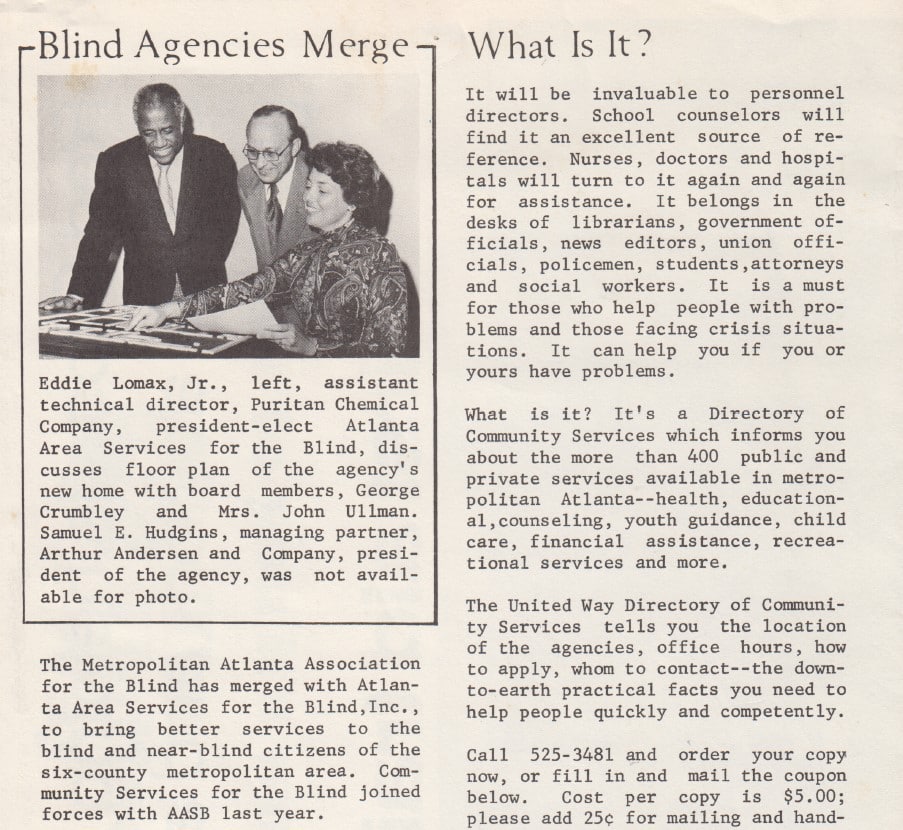
- 1973: Atlanta Community Chest (now United Way) coordinates the merger of the Metropolitan Atlanta Association for the Blind and Community Services for the Blind under the name Atlanta Area Services for the Blind (AASB).
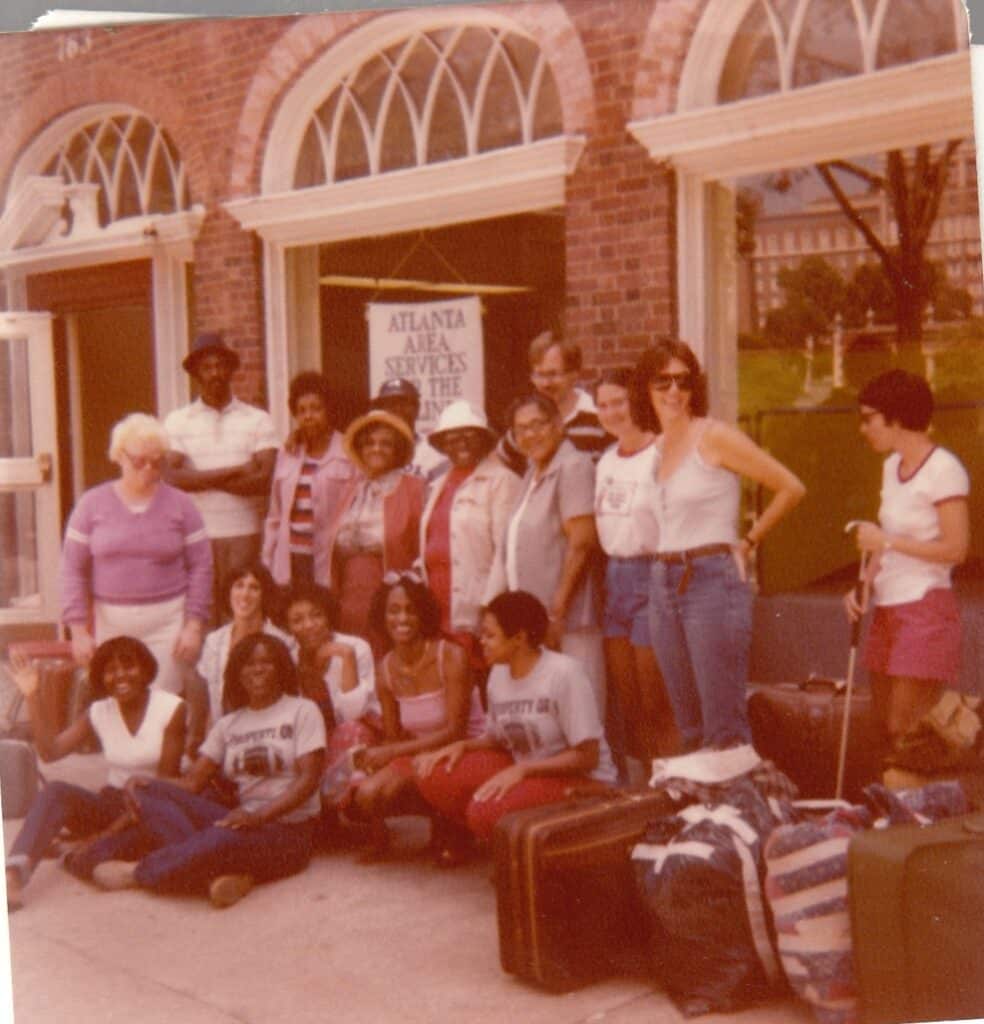
- 1980: Florence H. Maxwell donates the building at 763 Peachtree Street to AASB.
- 1980: The Low Vision Clinic is renamed in honor of Florence Maxwell. AASB offers services of a specially trained optometrist and occupational therapist.
- 1985: Dentist Dr. Jerry Berman retires from pediatric dentistry due to failing vision. He spearheads an early intervention program for infants.
- 1987: AASB becomes the Center for the Visually Impaired to better reflect its services for the blind and visually impaired.
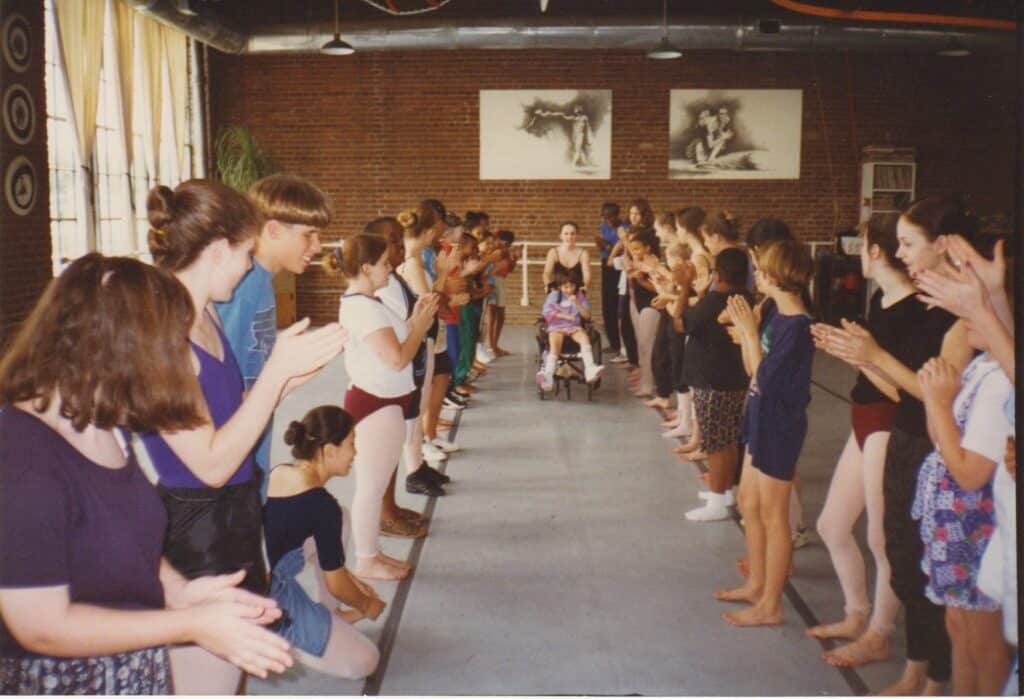
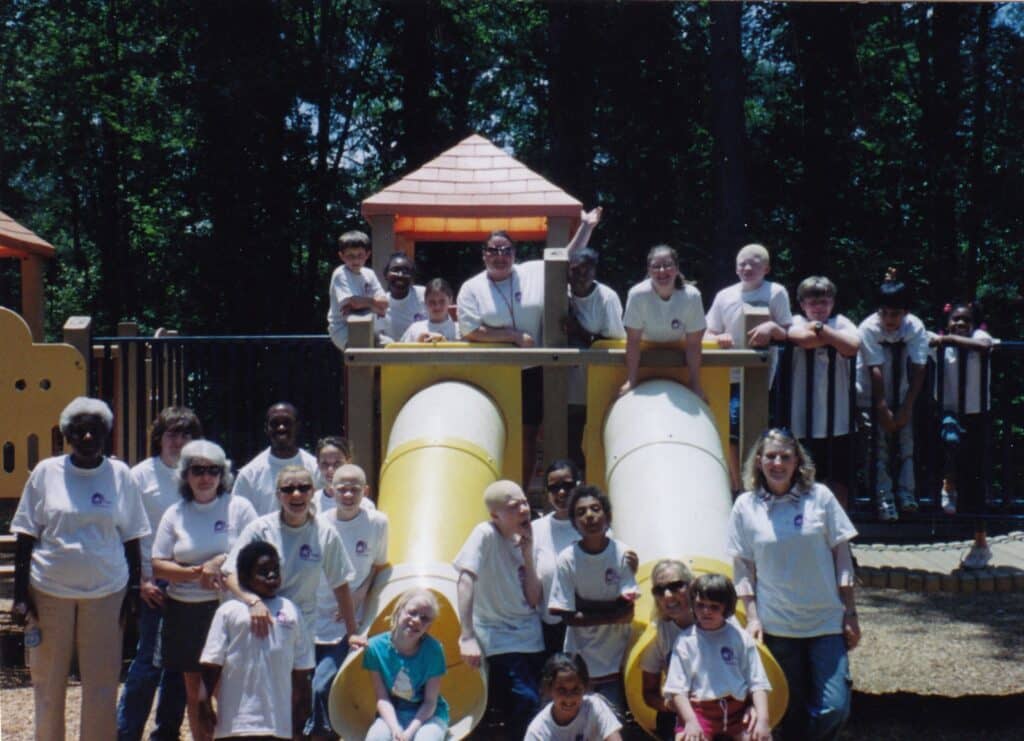
- 1992: CVI launches an annual summer enrichment camp for youth offering play and learning in a supportive environment.
- 1996: Youth Director Annie Maxwell represents CVI as a torchbearer in the Atlanta Olympic Torch Relay.
- 2002: CVI begins to facilitate support groups to help clients and their families with the practical, emotional and social impacts of vision loss.
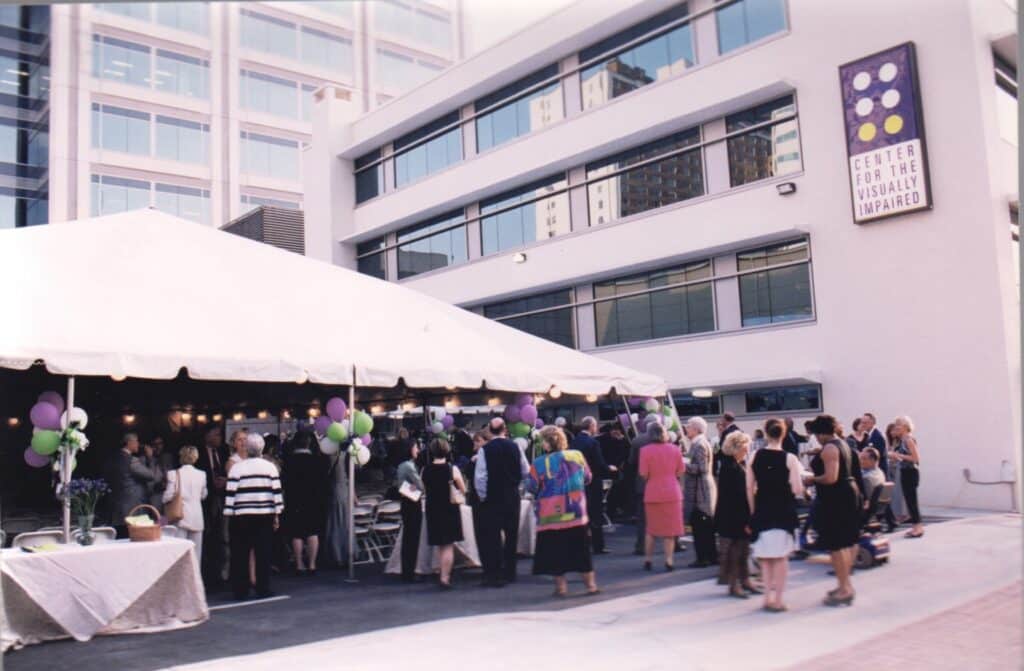
- 2003: After nearly 30 years at 763 Peachtree Street, CVI opens its new 47,000-square-foot facility at 739 West Peachtree Street.
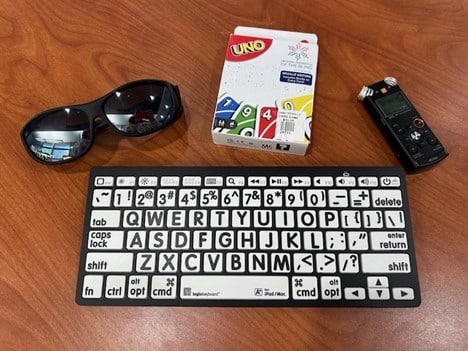
- 2008: The VisAbility store opens. It now includes more than 600 vision aids, devices and products for people with low vision.
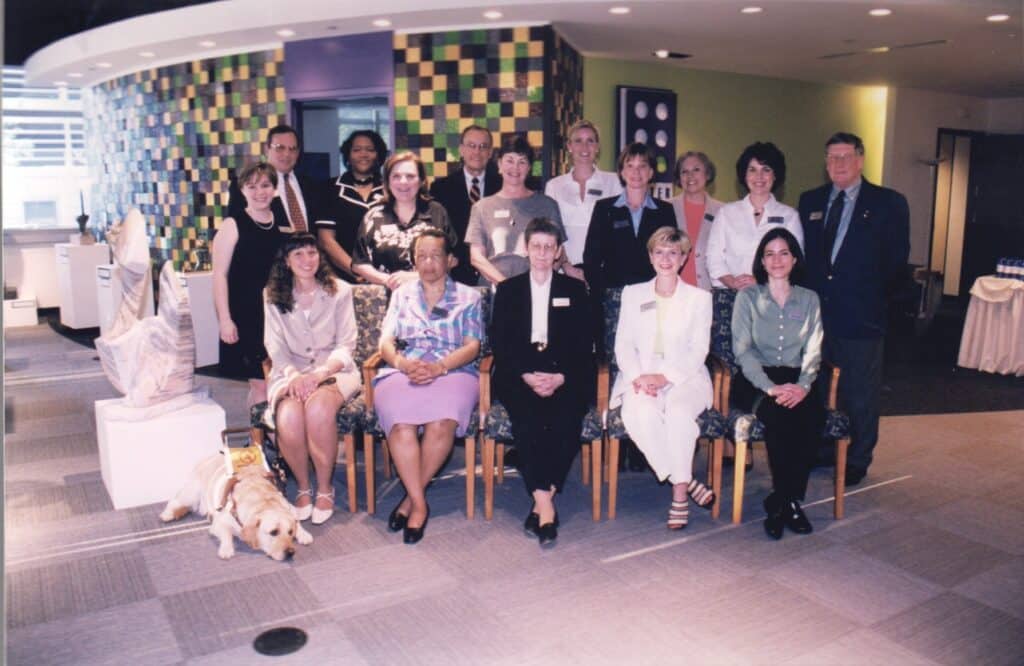
Historical photos from CVI’s archive: